
How to Shoot a Christian Music Video: Filming, Editing & Cinematic Colour Grading
You have spent months writing, recording, producing, mixing and mastering your song.
Then release day arrives.
You upload the audio, create a piece of cover artwork, post it on social media—and hope people notice.
But music is no longer only heard.
It is watched.
For a Christian artist, worship leader or church releasing original music, a professional music video can become one of the most important pieces of content surrounding a song.
A great Christian music video does more than look beautiful.
It helps people feel the message.
It gives the artist a visual identity.
It creates content for YouTube, Instagram, Facebook, TikTok, websites, advertisements and future promotional campaigns.
And when the video is combined with the right release and awareness strategy, one piece of content can begin reaching thousands, hundreds of thousands—or potentially millions—of viewers.
Here is how we approach Christian music video production at LUKE MUNNS Media.
What Is Christian Music Video Production?
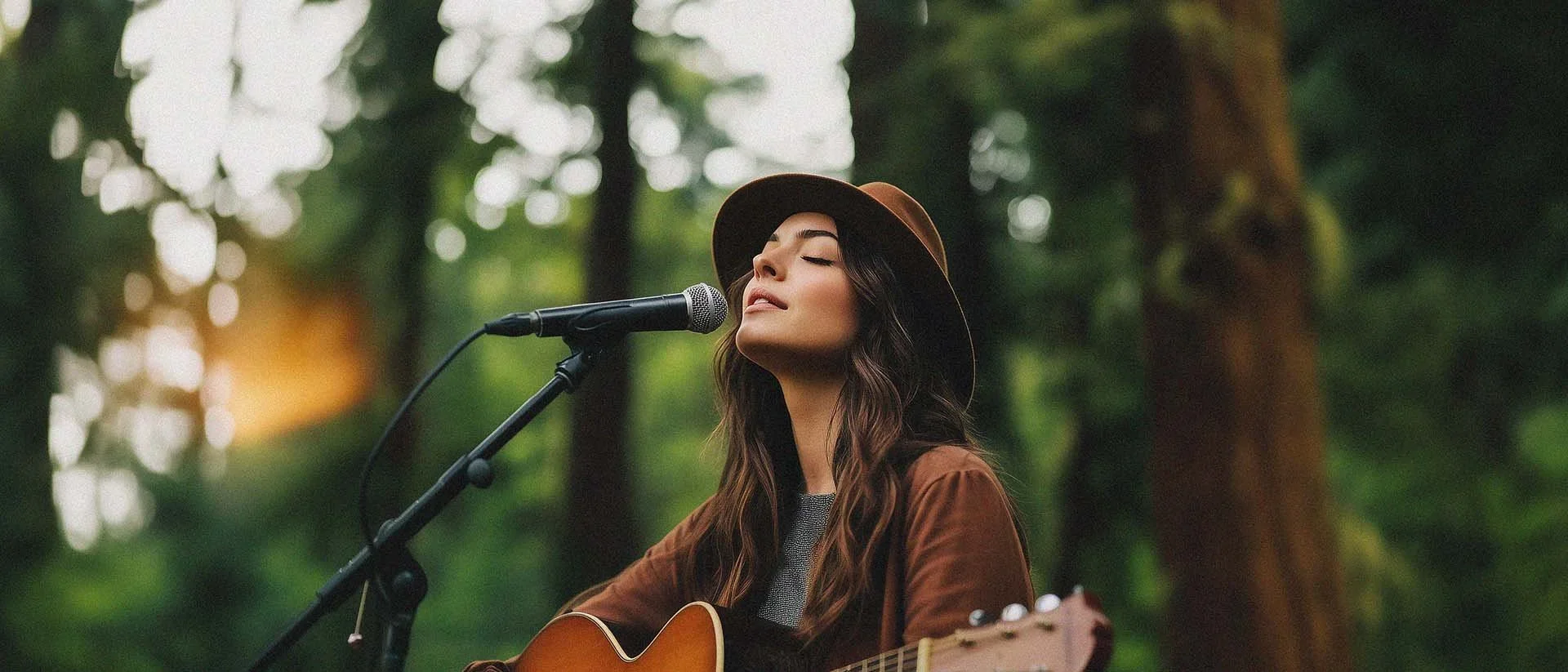
Christian music video production is the process of visually translating a Christian song, worship song or faith-based message into film.
That process can include:
creative concept development
music video directing
location scouting
storyboarding
cinematography
professional lighting
performance filming
narrative filming
drone footage
B-roll
editing
visual effects
colour correction
cinematic colour grading
YouTube delivery
social-media versions
promotional campaign strategy
The camera itself is only one part of the process.
The real work is deciding:
What should people feel when they watch this song?
That question should guide everything that follows.

Start With the Message, Not the Camera
Before choosing lenses, locations or lighting, understand the heart of the song.
Ask:
What is the song actually saying?
What emotion should the viewer experience?
Is this worship, testimony, celebration, grief, surrender, hope or declaration?
Who is the song speaking to?
What visual world represents the artist?
Should the video be intimate or enormous?
Should we show a story or simply allow the performance to carry the song?
Christian music has a particular challenge.
You want the video to feel excellent without becoming distracting.
The visuals should serve the message rather than compete with it.
That does not mean Christian music videos have to look simple or inexpensive.
Christian artists should be creating some of the most beautiful, innovative and emotionally compelling visual work in the world.
Excellence and ministry belong together.
What Type of Christian Music Video Should You Make?
There are several strong directions.
1. Performance Music Video
This places the artist or band at the centre.
It might feature:
the artist singing directly to camera
musicians performing
an acoustic setup
a church auditorium
a studio environment
an outdoor landscape
a visually striking location
A performance video can be relatively simple while still looking cinematic when the lighting, lenses, composition, movement and edit are strong.
This can work particularly well for:
debut singles
worship songs
acoustic songs
intimate Christian music
singer-songwriters
2. Narrative Music Video
A narrative video tells a story.
Rather than showing the artist throughout the entire song, actors, environments and cinematic scenes communicate the message visually.
This can work beautifully when a song deals with:
redemption
testimony
loss
healing
family
faith
restoration
identity
hope
The strongest narrative videos do not explain every lyric literally.
They create a world around the song and allow viewers to make an emotional connection.
3. Performance + Narrative
This is one of our favourite approaches.
We combine cinematic artist-performance footage with storytelling and B-roll.
The viewer gets to connect directly with the artist while also entering the world of the song.
This gives the editor more visual material and creates a much larger feeling production.
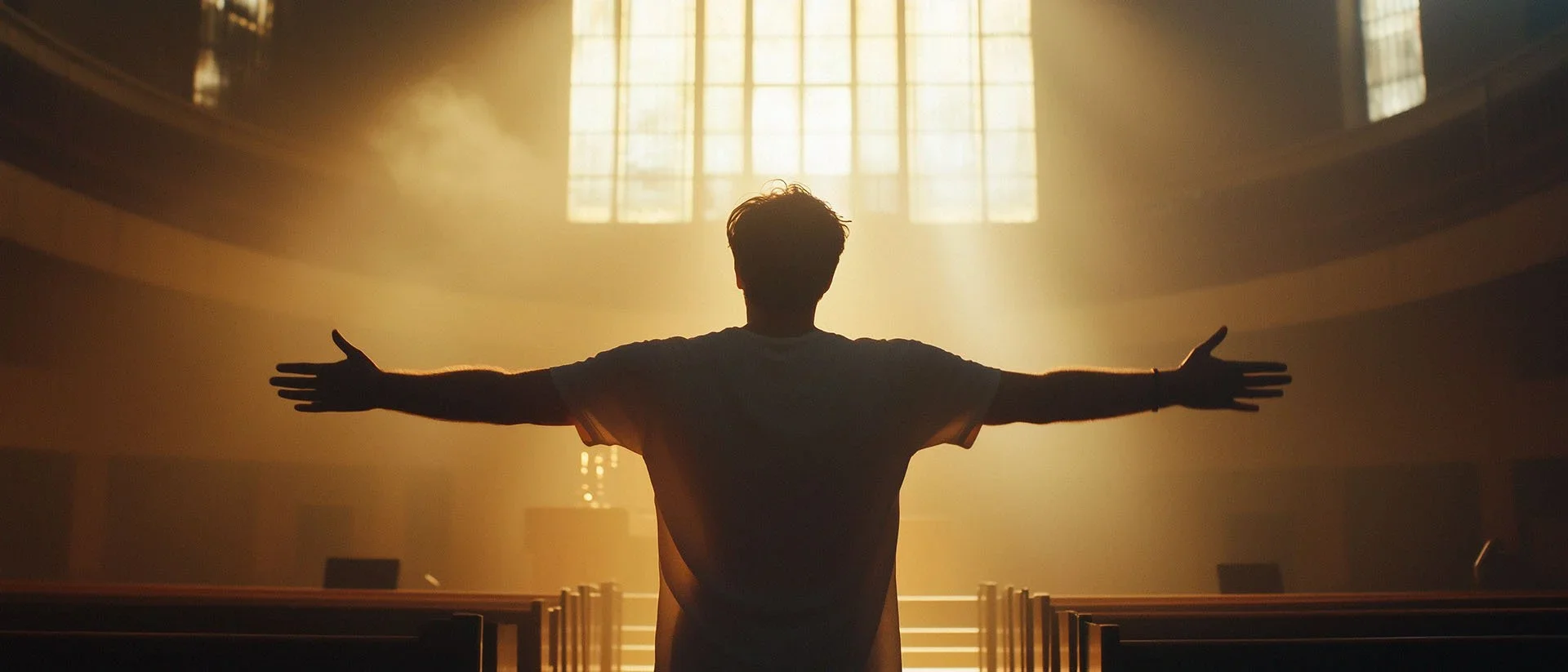
4. Live Worship Music Video
Sometimes the most powerful thing you can capture is a real worship moment.
A live worship video may include:
worship leader
band
congregation
close-ups
wide auditorium shots
hands raised
instruments
audience response
prayer moments
atmosphere
cinematic lighting
Modern churches increasingly use cinematic production techniques because online audiences are consuming worship through screens as well as inside physical church buildings.
The key is not making worship feel manufactured.
The cinematography should reveal what is happening rather than interrupt it.
What Makes a Music Video Look Cinematic?
“Cinematic” is one of the most overused words in video production.
It does not simply mean shooting in slow motion.
A cinematic music video comes from the combination of many decisions.
Professional Composition
We intentionally use:
wide shots
medium shots
close-ups
extreme close-ups
foreground elements
negative space
movement
depth
symmetry
asymmetry
creative framing
Every shot should have a purpose.
Camera Movement
Movement needs to match the song.
An intimate verse may call for a slow push toward the artist.
A powerful chorus may need larger movement.
A reflective bridge may benefit from almost no movement at all.
The camera should respond musically.
Lenses and Depth
Different lenses create different emotional experiences.
A wide lens can make an environment feel huge.
A longer lens can isolate the artist and make a shot feel intimate.
Shallow depth of field can separate the artist from the background and create a beautiful sense of depth.
Lighting
Lighting can transform an ordinary location.
We consider:
direction
contrast
colour
shadows
practical lights
sunlight
backlight
haze
silhouettes
skin tone
mood
Good cinematography is often less about owning the most expensive camera and more about knowing how to shape light.
Pre-Production: Where Great Music Videos Are Won
One of the biggest mistakes artists make is spending all their money on filming day while doing almost no preparation.
The best shoots are planned.
Before filming, we may work through:
Creative Concept
What is the central visual idea?
References
What films, photographs, music videos or locations represent the desired aesthetic?
Storyboard
For larger productions, we map key visual moments before arriving on location.
Shot List
We identify the shots needed to properly edit the video.
This may include:
establishing shots
wide performance
medium performance
close-up performance
instrument details
environmental shots
movement shots
drone shots
storytelling scenes
B-roll
transitions
Location
Location can completely change the production value of a video.
Think beyond traditional studios.
We can film in:
churches
theatres
warehouses
studios
homes
forests
beaches
mountains
deserts
city streets
rooftops
historic buildings
unusual architectural spaces
The location should feel like part of the song.
Filming the Christian Music Video
Filming day is where planning becomes performance.
The artist needs to deliver the song repeatedly while maintaining believable emotion.
That requires direction.
A good music video director is not simply operating a camera.
The director helps the artist understand:
where to look
how much to move
when to hold still
how intensely to perform
which lyrics require greater emotional connection
how the performance should develop throughout the song
We may shoot the same section repeatedly from different angles.
A three-minute music video can involve hours—or multiple days—of filming.
That is normal.
The goal is to give the editor enough strong material to build the finished film.
Why Editing Matters So Much
You can shoot beautiful footage and still make a weak music video.
Editing determines how the audience experiences the footage.
A music video editor works with:
rhythm
pacing
emotion
continuity
performance
storytelling
shot selection
transitions
visual energy
The cuts should interact with the music.
But this does not mean cutting on every beat.
Sometimes holding a shot longer creates far more emotional power.
The editor needs musical instincts as well as visual instincts.
That is particularly valuable when the director understands music production, songwriting and worship.
What Is Music Video Colour Grading?
After editing, the footage needs to be visually finished.
This includes colour correction and colour grading.
Colour correction makes shots technically consistent.
Colour grading creates the final visual character.
Depending on the project, a music video might have:
warm cinematic tones
cool blue shadows
natural skin tones
desaturated film colours
rich blacks
soft highlights
vintage warmth
high contrast
dreamy low contrast
carefully controlled colour palettes
The grade helps separate a professional film from footage that simply came directly from the camera.
LUKE MUNNS Media specifically includes professional editing and colour grading within its current music-video production packages.
Should a Christian Music Video Include Drone Footage?
Sometimes.
Drone footage can immediately increase the scale of a video.
It is particularly effective for:
mountains
coastlines
churches
landscapes
cities
outdoor worship
travel imagery
opening shots
closing shots
But a drone should not be used simply because you have one.
If the song is intimate and vulnerable, an enormous aerial shot may actually reduce emotional connection.
Again:
the story determines the technique.
How Much Does a Christian Music Video Cost?
The price of a professional music video varies enormously depending on:
crew size
shoot duration
number of locations
travel
cinematography
equipment
lighting
drone work
actors
styling
locations
editing
visual effects
colour grading
number of revisions
LUKE MUNNS Media currently offers three principal music-video pathways.
Basic Music Video — $2,500
Designed for emerging artists and simpler visual concepts.
The current package includes a professional cinematographer, half-day filming, one location, professional lighting, creative direction, cinematic editing and colour grading.
Cinematic Music Video — $5,000
Designed for artists wanting a larger official-single release.
The current package includes a two-person film crew, full-day shoot, up to two locations, drone footage, performance scenes, storytelling B-roll, professional editing and grading, and creative direction.
Signature Music Video — $10,000+
Designed for major releases and label-level visual campaigns.
This can include multi-day production, multiple locations, concept development, storyboarding, narrative scenes, cinematic performance filming, drone footage and film-style colour grading.
Travel, accommodation, locations, actors, styling, props and some other production expenses may be additional depending on the project.
Do I Need to Be in Australia?
No.
Luke and the team travel internationally.
If you are an artist, church or ministry in:
the United States
Canada
Australia
New Zealand
Asia
the United Kingdom
Europe
or elsewhere in the world
we can discuss bringing the production to you.
You do not necessarily need to travel to Australia to create your music video.
Depending on the project, Luke can fly to your city, work with local crew and locations where appropriate, direct the shoot and then complete the editing and post-production remotely.
For the right project:
we go where the song is.
Your Music Video Is Not Just a Video
This is where many artists leave enormous value on the table.
They spend thousands creating a music video.
They upload it once.
Then they move on.
We approach the finished video as a content engine.
One professional shoot can potentially create:
official music video
YouTube premiere
music-video trailer
vertical Reels
TikTok clips
YouTube Shorts
Facebook videos
lyric clips
behind-the-scenes footage
artist-story content
advertising creative
website visuals
Spotify Canvas-style content
thumbnails
still frames
press material
Instead of thinking:
“We made a music video.”
Think:
“We created the visual world for this release.”
From Music Video to Hundreds of Thousands of Views
Creating the video is only half the strategy.
The next question is:
How do we get people to watch it?
At LUKE MUNNS, we combine media production with marketing strategy.
Our team works across platforms including:
YouTube
Google
Instagram
Facebook
TikTok
Spotify
artist websites
email marketing
Some of our artist campaigns and content have reached hundreds of thousands of views, with projects reaching into the millions.
But the goal is not simply buying a large number on a screen.
We want to create awareness, engagement, discovery and recommendation.
The Awareness → Recommendation → Snowball Strategy
A strong campaign can work in stages.
Stage 1: Awareness
We intentionally put the song and video in front of relevant audiences.
That might include:
Christian music listeners
worship audiences
fans of comparable artists
church audiences
geographic markets
previous listeners
existing followers
The goal is to introduce the artist to more people.
Stage 2: Engagement
The next job belongs to the content itself.
Do people:
click?
watch?
keep watching?
comment?
share?
subscribe?
watch another video?
Paid exposure cannot make weak content compelling.
This is why creative quality matters.
Stage 3: Recommendation
When platforms begin seeing genuine viewer response, the video can gain opportunities for further organic distribution.
On YouTube, titles, thumbnails and descriptions are important discovery signals, while viewer response and satisfaction also influence how content can expand to larger audiences. YouTube specifically advises creators to focus heavily on titles, thumbnails, audience connection and retention rather than obsessing over tags.
Stage 4: Snowball
This is the outcome artists want.
Paid awareness creates new viewers.
Some become engaged viewers.
Some become subscribers.
Some share the song.
Some watch another video.
Some enter the artist ecosystem.
The content then has an opportunity to keep moving beyond the original campaign.
That is the snowball.
It is not guaranteed—and no ethical marketing company should guarantee virality.
But you can dramatically improve your opportunity by combining excellent content with intelligent distribution.
How to Prepare for Your Christian Music Video
Before contacting a director, prepare:
your final mastered song
lyrics
your artist biography
two to five visual references
colours or branding
photographs of yourself
your approximate budget
desired filming location
proposed release date
ideas you already have
links to previous videos
the main message behind the song
Do not worry if you do not have the visual concept yet.
That is part of what creative direction is for.
Why Work With a Christian Music Video Director?
A Christian music video director needs to understand more than film.
They need to understand the message being filmed.
There are moments in worship and Christian storytelling where bigger is not necessarily better.
Sometimes the most powerful shot is:
a face
a tear
a hand
silence
a prayer
an empty room
a lyric delivered directly into camera
Understanding worship, ministry and Christian music helps determine when the production needs scale—and when the production needs restraint.
Luke's background spans both music and media, allowing the creative direction to consider the song itself as well as the film. The LUKE MUNNS Media site describes more than 25 years of experience and work associated with clients including Hillsong, Joseph Prince Ministries, Joyce Meyer Ministries, Darlene Zschech, C3 Global, A21, Capitol Studios and Warner Bros.
Christian Music Video Production Anywhere in the World
Wherever you are, start the conversation.
We can explore music-video production in:
USA | Canada | Australia | Asia | UK | Europe | Worldwide
For international projects, travel and accommodation are quoted according to the location and production requirements.
Whether you need a simple one-location performance video or a multi-day cinematic production, the objective remains the same:
Create something beautiful enough to make people stop—and meaningful enough to make them stay.
Frequently Asked Questions
How much does a Christian music video cost?
Professional music-video budgets vary significantly. LUKE MUNNS Media currently offers production pathways beginning at $2,500, with cinematic productions at $5,000 and signature projects from $10,000+. Additional travel, location, cast, styling and production costs may apply.
Can Luke Munns travel to America to film my music video?
Yes. International productions can be discussed for artists, churches and ministries in the USA and worldwide. Travel and accommodation are quoted separately according to the project.
Do you film worship music videos?
Yes. Projects can range from acoustic and performance videos through to live worship, storytelling and large cinematic productions.
Can you edit footage that has already been filmed?
Potentially. The existing footage should first be reviewed to determine whether its technical quality and coverage are suitable for professional editing and grading.
What is cinematic colour grading?
Colour grading is the creative process of developing the final visual appearance of the film after editing and colour correction. It shapes contrast, colour, skin tones, atmosphere and mood.
How long does it take to shoot a music video?
A simpler performance video may be filmed in half a day. Larger cinematic productions may require a full day or multiple filming days depending on the concept and locations.
Should I release a music video on YouTube?
For most artists, YouTube should be an important part of the strategy. Google can also surface eligible video content across Search, Video mode, Images and Discover when videos are properly accessible and optimized.
Does having a music video guarantee more views?
No.
No filmmaker or marketer can ethically guarantee organic views or virality.
But a stronger video gives you better creative material to promote, advertise, share and repurpose across multiple platforms.
Create Your Christian Music Video With LUKE MUNNS Media
You have already invested in the song.
Now give people something worth watching.
From initial concept through filming, directing, editing, colour grading and release strategy, LUKE MUNNS Media can help create a visual world around your music.
Whether you are across the road or across the world, we can discuss bringing the production to you.